

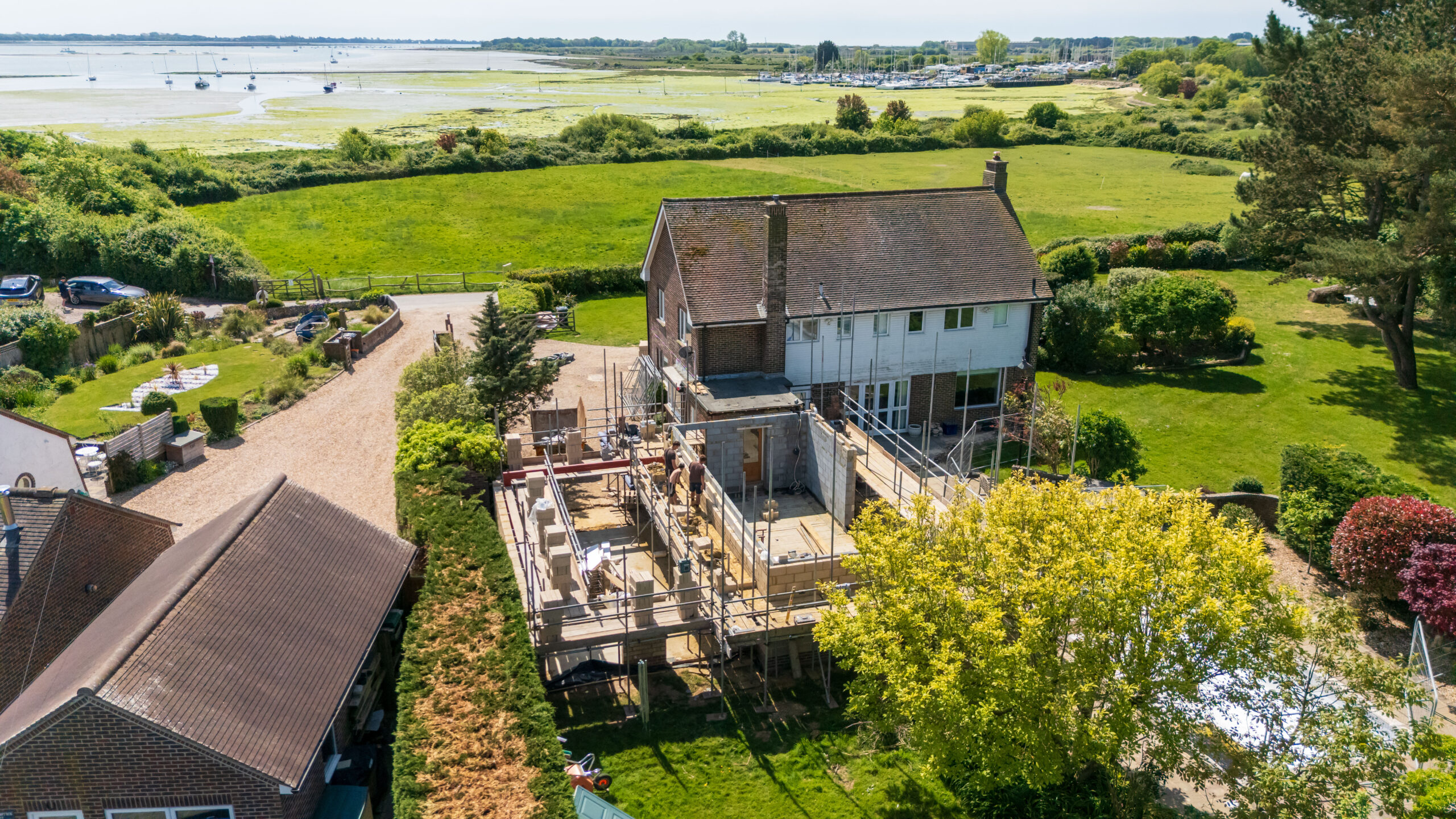
Making the Most of Your Home
Many homeowners eventually reach a point where their home no longer supports the way they live, raising the question of Refurbishment vs Extension. The kitchen may feel cramped, storage can become increasingly limited, or the overall layout simply may not suit modern family life anymore.
Should you improve and reconfigure the space you already have, or invest in extending your property to create additional room?
Both options can significantly transform a home, but the right solution depends on your lifestyle, long-term goals, budget and how you use your property on a daily basis.
If you’re planning home improvements in West Sussex, understanding the key differences between Refurbishment vs Extension projects can help you make a more informed decision before any building work begins.
What Is a Refurbishment?
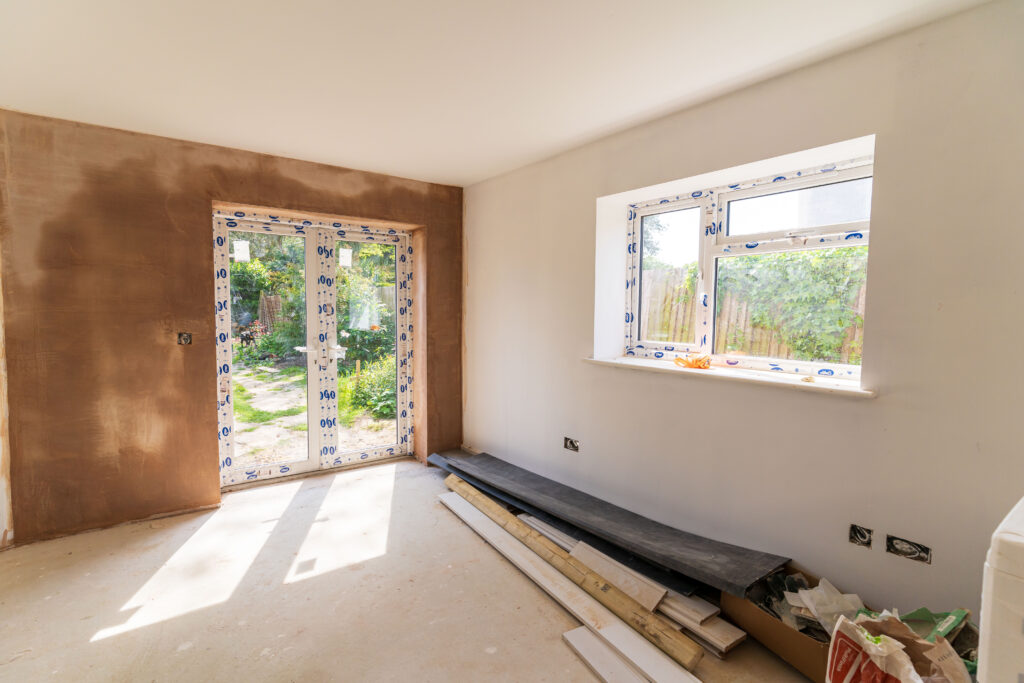
A refurbishment focuses on improving or modernising the existing structure of your home without significantly increasing its footprint.
This can include:
- Reconfiguring layouts
- Renovating kitchens and bathrooms
- Updating flooring and finishes
- Improving lighting and storage
- Removing internal walls to create open-plan spaces
In many cases, refurbishment work can dramatically improve how a home feels without the need for major structural expansion.
Older properties, in particular, often benefit from refurbishment projects that bring them in line with modern living standards while retaining their original character.
What Is an Extension?
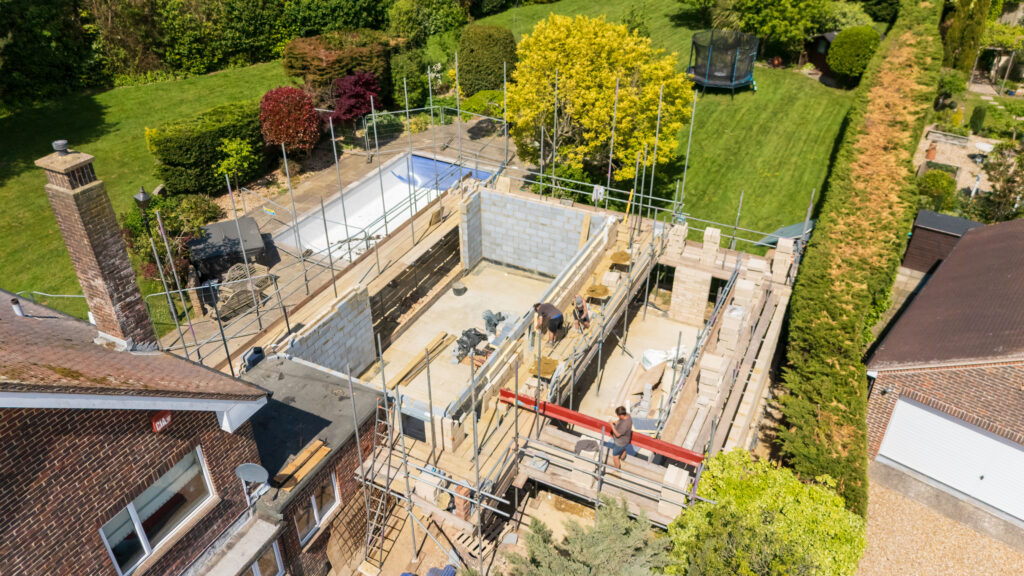
An extension increases the physical size of your property by adding new internal space.
Popular types of extensions include:
- Rear extensions
- Side-return extensions
- Double-storey extensions
- Kitchen-diner extensions
- Garden rooms and orangery spaces
Extensions are often chosen when families need additional room but do not want the disruption or expense of moving house.
A well-designed extension can completely reshape the flow of a home while also increasing property value.
How Do You Decide Which Is Best?
The answer often comes down to one important question:
Do you need more space, or do you need better use of the space you already have?
If the issue is poor layout or outdated interiors, refurbishment may be enough.
However, if your home genuinely lacks square footage, an extension may provide a more effective long-term solution.
When Refurbishment May Be the Better Choice
Refurbishment projects are often ideal when:
- The property already has sufficient overall space
- Rooms feel disconnected or impractical
- The interior is dated
- You want to modernise the home without major structural expansion
For example, removing dividing walls between the kitchen, dining room and lounge can create a far more open and social environment without extending outward.
In many homes, relatively simple layout changes can make the property feel significantly larger.
When an Extension Makes More Sense
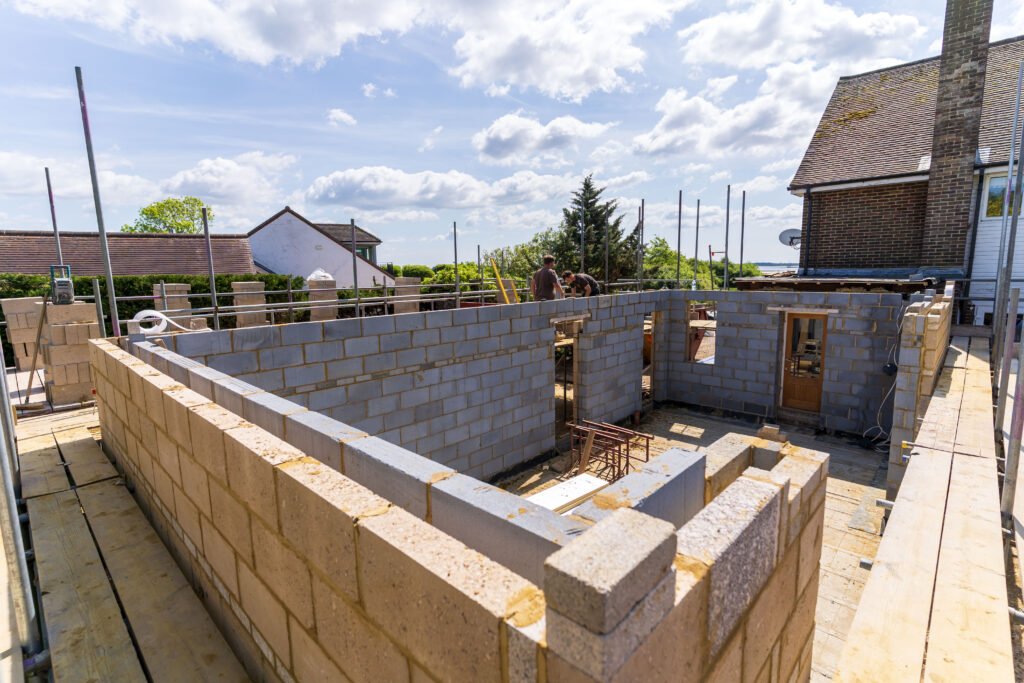
An extension may be the right option if:
- Your family is growing
- You require an additional bedroom or office
- The kitchen lacks adequate entertaining space
- You want stronger indoor-outdoor connection to the garden
Extensions are particularly popular for creating large open-plan kitchen living areas, which have become central to modern family life.
Natural light, garden access and multifunctional living spaces are often key priorities for homeowners investing in this type of project.
A Quick Note on Costs
Before reviewing any pricing examples, it’s important to understand that building costs vary depending on the size and specification of the project.
Most refurbishment and extension work is priced using cost per square metre, but final costs can differ significantly based on:
- Structural alterations required
- Overall floor area
- Access to the property
- Material selections
- Interior finishes and bespoke features
Every project is unique, which is why tailored planning and accurate quotations are essential from the outset.
Planning Permission Considerations
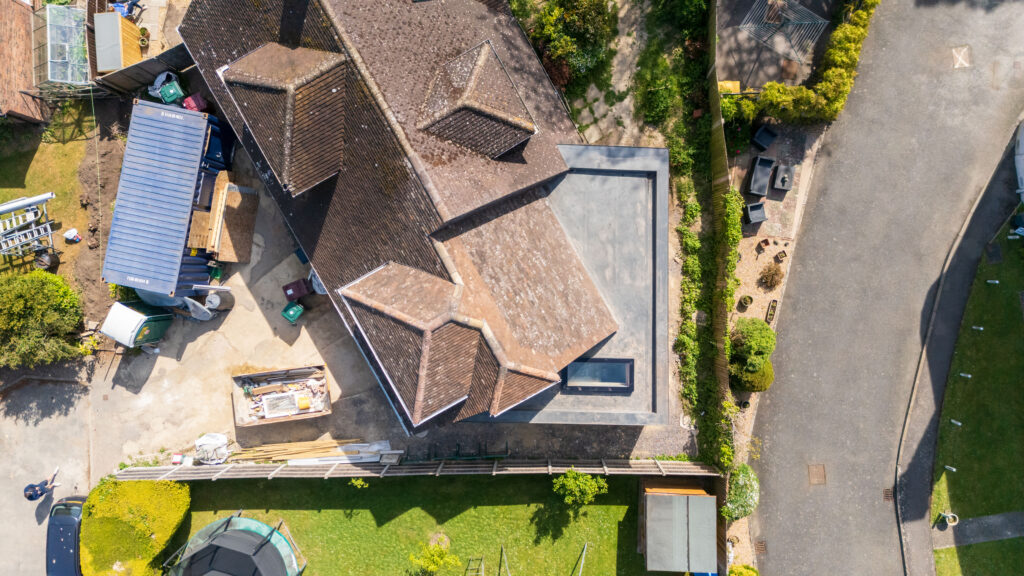
Not all projects require planning permission, but this depends on the scope of work.
Many internal refurbishments can proceed without formal planning approval. However, larger extensions may require permission depending on:
- Property type
- Conservation area restrictions
- Extension size and height
Even where planning permission is not needed, Building Regulations approval will still apply.
Working with experienced professionals early in the process helps avoid unnecessary delays later on.
Thinking Long-Term
Whether you refurbish or extend, the most successful projects are those designed around long-term living rather than short-term trends.
Consider:
- How your needs may change over the next 5–10 years
- Future resale value
- Energy efficiency improvements
- Natural light and functionality
A carefully planned project should improve not only the appearance of your home but also the way it supports daily life.
Final Thoughts
There is no universal answer when choosing between refurbishment and extension work. Every property and every homeowner’s priorities are different.
In some cases, thoughtful refurbishment can completely transform a home without altering its footprint. In others, additional space is the only practical solution.
The key is understanding your goals clearly before construction begins.
With careful planning and professional guidance, both approaches can add significant value, comfort and functionality to your property.
Considering a Refurbishment or Extension Project?
If you’re exploring ways to improve your home in West Sussex, our team can help you assess the best approach for your property and budget.
Contact the Elite Build West Sussex, we’ll guide you through the options and help you move forward with clarity and confidence.