

Getting It Right Before You Start
For many homeowners, planning permission is the stage that feels the most uncertain. It sits between your idea and the moment work can actually begin, and if handled incorrectly, it can introduce delays, added costs and unnecessary frustration.
The good news is that most delays are avoidable with the right preparation.
If you’re planning a build, extension or refurbishment in West Sussex, understanding how planning works will help you move forward with clarity and confidence.
What Is Planning Permission?
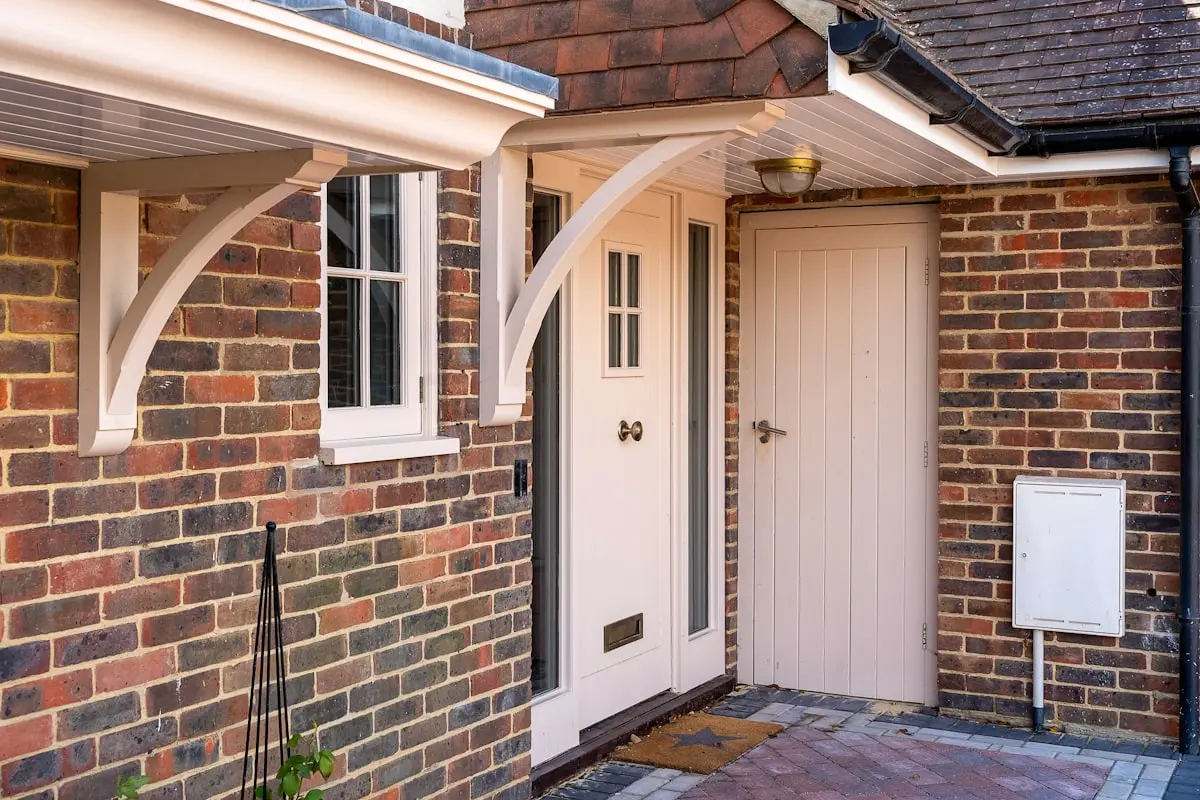
Planning permission is formal approval from your local authority that confirms your proposed project is suitable for the area.
It ensures that developments:
- Fit with the character of the neighbourhood
- Do not negatively impact neighbouring properties
- Meet local design and environmental standards
Not every project requires full planning permission, but assuming you don’t need it without checking is one of the most common mistakes.
Do You Always Need Planning Permission?
In some cases, work can be carried out under Permitted Development Rights.
This may apply to:
- Smaller extensions
- Loft conversions
- Certain internal alterations
However, restrictions apply if:
- Your property is listed
- You live in a conservation area
- The design exceeds size or height limits
Even when planning permission is not required, Building Regulations approval will still apply.
Why Planning Delays Happen
Why Planning Delays Happen
Delays rarely happen without reason. They are usually caused by issues that could have been identified earlier.
1. Incomplete or Unclear Drawings
Applications lacking detail often get rejected or delayed.
2. Ignoring Local Design Guidelines
Each area has its own character. Designs that don’t reflect this may face objections.
3. Neighbour Concerns
Overlooking, overshadowing or privacy issues can lead to disputes.
4. Last-Minute Design Changes
Changing plans mid-process often resets timelines.
Understanding these risks early allows you to avoid them entirely.
How to Avoid Delays on Your Project

A smooth planning process comes down to preparation and professional input.
Work With Experienced Professionals
Architects and builders familiar with local planning requirements can identify potential issues before submission.
Align With the Surrounding Area
Using appropriate materials, proportions and design features helps your project blend naturally into its setting.
Communicate Early
Discussing plans with neighbours before submitting can reduce objections later.
Get Your Documentation Right
Clear, accurate drawings and supporting information improve approval times.
Plan Realistic Timelines
Planning approval typically takes around 8 weeks, but delays can occur if revisions are needed.
Planning Permission vs Building Regulations
These two are often confused, but both are essential.
- Planning Permission: Approval for the design and impact of your build
- Building Regulations: Ensures the build is structurally safe and energy efficient
Skipping either stage can lead to serious issues, particularly when selling your property in the future.
The Value of Getting It Right First Time

When planning is handled correctly:
- Projects move forward without interruption
- Costs remain under control
- Construction timelines are more predictable
- Stress is significantly reduced
It sets the foundation for a build that progresses smoothly from start to finish.
Final Thoughts
Planning permission should not be seen as an obstacle. It is a structured process designed to ensure that developments enhance the area rather than detract from it.
By approaching this stage with the right knowledge and professional support, you can avoid unnecessary delays and move into construction with confidence.
The earlier planning is considered, the smoother the entire project becomes.
Considering a Project in West Sussex?
If you’re planning a build, extension or refurbishment and want clear, professional guidance from the outset, our team is here to help.
Contact the Elite Build West Sussex team, we’ll help you navigate planning requirements, refine your ideas and move your project forward with clarity.